HVAC Installation Eco Air Pros: Replace Your Old System in Elmwood Park, IL
Introduction: Why a Smarter HVAC Replacement Gives You Immediate Wins in Comfort, Cost, and Clean Air
If your heating or cooling system is older than a decade, struggles to keep your Elmwood Park home comfortable, or drives your utility bills sky-high during Chicago winters and humid summers, you’re not imagining things. HVAC systems lose efficiency over time. Components wear out. Ducts get leaky. And technology continues to leap forward. Replacing an outdated system is one of the most impactful home upgrades you can make, offering immediate returns in comfort, energy savings, and indoor air quality—especially in a climate like Elmwood Park, IL.
But here’s the rub: a successful HVAC replacement isn’t just about picking a shiny new unit. It’s about matching the right equipment to your home’s unique thermal profile, correctly sizing it, and installing it with precision. If you want fewer repairs, lower utility costs, and consistent comfort year-round, the quality of installation is everything.
This comprehensive guide delivers actionable, expert insights to help Elmwood Park homeowners make a confident HVAC upgrade. We’ll walk through system types, energy efficiency, smart features, pricing, rebates, installation steps, and maintenance must-knows. We’ll also answer the most common questions people ask before investing in a new unit—and highlight what to expect from a top-tier local installer.
Whether you’re experiencing inconsistent temperatures, growing energy costs, or frequent breakdowns, this long-form guide will help you understand your options and take the next steps toward a safer, healthier, and more comfortable home.
HVAC Company Eco Air Pros, Eco Air Pros HVAC, Eco Air Pros Heating and Cooling, Elmwood Park, IL, HVAC Contractor Eco Air Pros, Eco Air Pros Heating, Eco Air Pros Cooling, Eco Air Pros Air Conditioning Repair Elmwood Park, IL, Eco Air Pros Furnace Repair Elmwood Park, IL, HVAC installation Eco Air Pros, Eco Air Pros HVAC Repair, Eco Air Pros Heating and Cooling, HVAC Company Eco Air Pros, Heating & Air Conditioning Eco Air Pros
Looking for an experienced HVAC contractor who knows Elmwood Park’s housing styles, insulation quirks, and weather patterns? Local expertise matters. Homes in Elmwood Park span early-20th-century bungalows, post-war ranches, and modern renovations, each with different insulation profiles, duct systems, and airflow needs. A high-quality installation considers these variables.
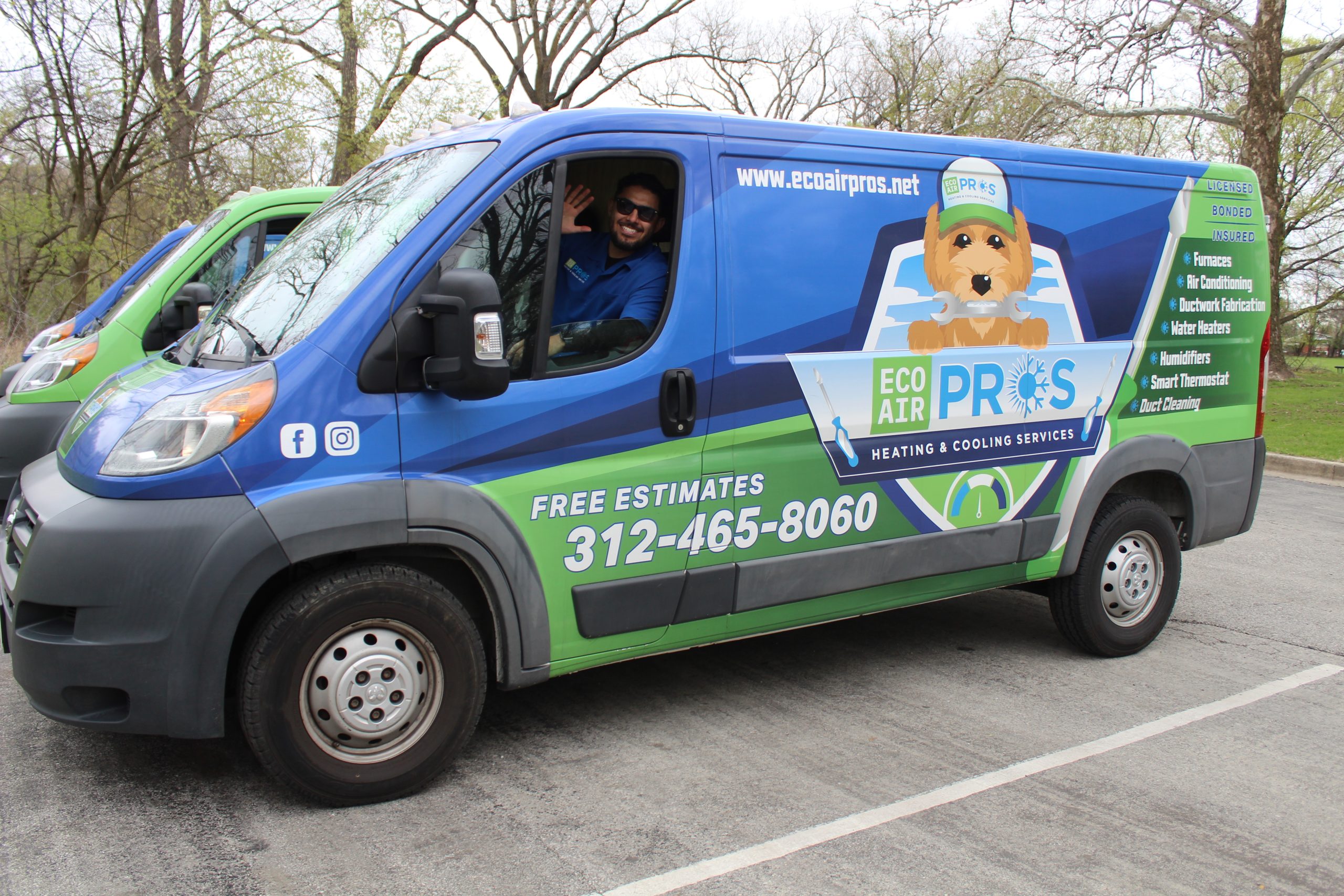
- Eco Air Pros Heating and Cooling is a trusted local provider known for reliable service, modern equipment, and a customer-first approach. For HVAC installation, Eco Air Pros understands the specifics of Chicago-area weather swings and how to balance efficiency with performance. If you’re searching for Eco Air Pros HVAC Repair, Eco Air Pros Cooling, or Eco Air Pros Heating, make sure you’re working with a licensed, insured, and experienced team that can handle system design, load calculations, duct adjustments, and commissioning.
When a contractor knows the neighborhood, construction styles, and climate, they can better size and customize your system. That’s where the difference between adequate comfort and true performance begins.
HVAC Installation Eco Air Pros: Replace Your Old System in Elmwood Park, IL
You asked for the details, and this section delivers: HVAC Installation Eco Air Pros: Replace Your Old System in Elmwood Park, IL is the strategic, step-by-step process that ensures your new heating and cooling system is safer, more efficient, and tailored to your Elmwood Park home. It starts with a precise Manual J load calculation to determine heating and cooling requirements, followed by careful selection of equipment—furnace, air conditioner, heat pump, or hybrid—and ends with meticulous installation and testing. The full title, HVAC Installation Eco Air Pros: Replace Your Old System in Elmwood Park, IL, signals a comprehensive approach to modern comfort. When your installer prioritizes airflow, duct sealing, refrigerant charging, and smart thermostat integration, you’ll notice the difference immediately—in quiet operation, stable temperatures, and lower energy bills.
Why Replace Instead of Repair? The Elmwood Park Reality Check
Not every breakdown calls for replacement, but certain telltale signs mean the long-term math favors a new system:
- Age 10–15+ years: Efficiency steadily declines, and part failures become more frequent. High and rising energy bills: Old single-stage systems short-cycle and waste energy. Uneven temperatures: Bedrooms too hot, basement too cold? Sizing or duct issues likely. Frequent repairs: If repair costs in a two-year window exceed 30–40% of a new system, it’s time. R-22 refrigerant: Older ACs using phased-out R-22 are expensive to maintain and less eco-friendly. Noise and poor air quality: Aging blowers and clogged coils reduce comfort while increasing dust and allergens.
Answer for featured snippet: Is it cheaper to repair or replace an old HVAC system?
- If your system is over 12 years old, needs a major component (like a compressor or heat exchanger), or uses R-22 refrigerant, replacement is typically more cost-effective over 3–5 years due to improved efficiency, lower repairs, and available rebates.
Choosing the Right System Type: Furnace + AC, Heat Pump, Hybrid, or Ductless?
Elmwood Park experiences cold winters and warm, humid summers, which means you need performance across seasons. Here are your primary options, each with strengths depending on your home and goals.
- Furnace + Central Air Conditioner Best for: Homes with existing ductwork and a preference for gas heating. Pros: Strong heat output in subfreezing temperatures, wide availability, cost-effective. Cons: Two systems to maintain; AC efficiency matters for summer bills. Air-Source Heat Pump (Cold-Climate Rated) Best for: All-electric homes, eco-conscious upgrades, or homes with moderate utility costs. Pros: Heats and cools with one system, high efficiency, potential electrification incentives. Cons: Requires proper sizing and cold-climate models for Chicago winters; may pair with a gas furnace (hybrid) for extreme cold. Dual Fuel (Hybrid) System: Heat Pump + Gas Furnace Best for: Versatility—use the heat pump for efficient heating in mild-to-cold temps and the furnace in deep freezes. Pros: Optimized operating cost, year-round comfort, smart switchover temperatures. Cons: Higher upfront cost than single system; requires smart controls. Ductless Mini-Split (Single or Multi-Zone) Best for: Additions, sunrooms, attics, or homes without ducts. Pros: Zoned comfort, high efficiency, quiet, no ducts needed. Cons: Aesthetically visible indoor heads; whole-home installs can get pricey.
Quick guidance:
- If you rely on gas and want predictable winter performance, choose a high-efficiency furnace with a variable-speed blower plus a high-SEER2 AC. If you’re considering electrification or want year-round efficiency, explore cold-climate heat pumps or hybrid systems. If you have rooms that never feel right, consider ductless zones or duct redesign.
Efficiency Metrics Decoded: SEER2, EER2, HSPF2, AFUE, and What They Mean for Bills
HVAC alphabet soup can be confusing. Here’s what matters in Elmwood Park, IL.
- SEER2 (Seasonal Energy Efficiency Ratio 2): Measures AC/heat pump cooling efficiency over a season. Higher is better. Aim for 15–20+ SEER2 for meaningful summer savings. EER2 (Energy Efficiency Ratio 2): Measures cooling efficiency at a fixed high temperature. Useful for hot days. Good to compare for peak performance. HSPF2 (Heating Seasonal Performance Factor 2): Measures heat pump heating efficiency. Cold-climate models often provide HSPF2 of 7.5+ with good winter performance. AFUE (Annual Fuel Utilization Efficiency): Furnace efficiency. 80% is standard, 90–98% is high-efficiency. In Chicagoland winters, a 95–98% AFUE furnace paired with tight ducts can pay off fast.
Answer for featured snippet: What’s a good SEER2 rating for Elmwood Park homes?
- For most households, 15–18 SEER2 balances cost and savings. If your home has higher summer loads, consider 18–20 SEER2 with variable-speed compressors for optimal comfort and humidity control.
The Art and Science of Sizing: Why Manual J, S, D, and T Matter
Oversized systems short-cycle, creating temperature swings and humidity issues. Undersized systems run constantly and still can’t meet the setpoint. Correct sizing uses industry-standard calculations, not rules of thumb.
- Manual J: Determines your home’s heating/cooling load based on square footage, insulation, windows, orientation, infiltration, and local climate data. Manual S: Matches equipment capacity to the calculated load. Manual D: Designs ductwork to deliver proper airflow, balancing pressure, length, and size. Manual T: Ensures registers and grilles match airflow needs in each room.
Ask your HVAC Contractor Eco Air Pros about performing a full Manual J before giving you a quote. It’s the foundation of a high-performing system.
Airflow and Ductwork: The Hidden Driver of Comfort
You can buy the most efficient equipment on the market and still be uncomfortable if airflow isn’t right. Ducts in older Elmwood Park homes can be undersized, leaky, or poorly routed. During HVAC installation, Eco Air Pros and similar pros should:
- Pressure-test and seal ductwork, especially in basements and attics. Balance airflow to each room using dampers and registers. Verify static pressure, total external static, and blower configuration. Insulate ducts in unconditioned spaces to prevent energy loss and condensation.
Without proper airflow, efficiency ratings don’t translate into real-world performance. Better ducts equal quieter operation, improved air quality, and stable room temperatures.
Indoor Air Quality (IAQ): Cleaner Air with Your New System
Modern systems can integrate IAQ solutions to reduce pollutants, allergens, and viruses:
- High-MERV filters (MERV 11–13) for dust, pollen, and fine particulates. Whole-home media filters or HEPA bypass systems for enhanced filtration. UV-C lights for coil disinfection to reduce biofilm and odors. ERV/HRV ventilation for consistent fresh air without losing energy. Whole-home humidifiers/dehumidifiers for balanced relative humidity (ideal is 40–50%).
Pro tip: Combine a variable-speed blower with a smart thermostat and high-MERV filtration to run low-speed circulation cycles that continually clean and mix your indoor air.
Smart Thermostats and Zoning: Comfort That Adapts to You
Smart controls can significantly improve comfort and reduce costs.
- Smart thermostats learn your patterns, automate setbacks, and provide energy reports. Room sensors and zoning systems reduce overcooling/overheating in low-occupancy areas. Geofencing adjusts temperatures based on your location for hands-free savings. IAQ integration allows humidity control and ventilation scheduling.
Answer for featured snippet: Do smart thermostats really save money?
- Yes. With proper setup, smart thermostats can reduce HVAC energy use by 8–15% annually through intelligent scheduling, adaptive learning, and away modes.
Upfront Costs vs. Lifetime Value: Budgeting Without Surprises
Costs in Elmwood Park, IL vary by home size, system type, duct condition, and features. Below is a general overview to help you plan. Actual estimates may differ based on site conditions and brand selection.
- 80% AFUE furnace + 14.3 SEER2 AC: Lower upfront cost; moderate efficiency. 95–98% AFUE furnace + 16–18 SEER2 AC: Higher upfront; strong performance and comfort. Cold-climate heat pump (ducted): Mid-to-high range; strong year-round efficiency. Dual fuel (hybrid) system: Upper range; flexible, optimized operating costs. Ductless mini-split (single zone): Moderate; ideal for additions or problem rooms. Ductless multi-zone whole-home: Higher; excellent zoned comfort and efficiency.
What affects price?
- Load and capacity, brand tier, variable-speed components, IAQ add-ons, duct modifications, electrical upgrades, refrigerant line sets, and condensate management.
Why lifetime value matters:
best HVAC installation Eco Air- Energy savings, lower repair frequency, warranty coverage, indoor air quality improvements, and home resale value all contribute to total ROI.
Rebates, Incentives, and Financing: Don’t Leave Money on the Table
Elmwood Park homeowners can often combine federal incentives with utility rebates for real savings.
- Federal tax credits: Eligible high-efficiency furnaces, ACs, and heat pumps may qualify under current federal programs. Heat pumps often have larger credits. Utility rebates: Local utilities sometimes offer rebates for high-SEER2 ACs, high-AFUE furnaces, and heat pumps. Check your provider’s website. Manufacturer promotions: Seasonal discounts may reduce equipment costs or extend warranties. Financing plans: Many installers offer low-APR options to spread costs while you enjoy immediate comfort and efficiency.
Action step: Ask your HVAC Company Eco Air Pros to provide a written estimate showing eligible rebates, credits, and financing options up front.
The Installation Day Playbook: What to Expect and How to Prepare
Being prepared helps your installation go smoothly and on schedule. Here’s a typical workflow:
1) Pre-Install
- Finalize the proposal, model numbers, and scope. Verify load calculations and duct modifications. Schedule any electrical or permits required by Elmwood Park, IL. Clear the area around indoor and outdoor units.
2) Removal and Prep
- Recover refrigerant responsibly. Remove old equipment and assess platform, venting, and drain pans. Clean or replace pads, line sets, and condensate lines as needed.
3) New Equipment Installation
- Set the furnace or air handler; align venting per code. Install the outdoor unit with proper clearances. Run new or cleaned line sets; braze and nitrogen purge to prevent oxidation. Evacuate refrigerant lines to target microns; verify no leaks.
4) Duct and Airflow Tuning
- Seal connections, adjust dampers, and verify static pressure. Install new registers/grilles if required.
5) Electrical and Controls
- Connect high- and low-voltage wiring. Install thermostat and integrate sensors/zones.
6) Commissioning
- Charge refrigerant to specifications based on superheat/subcooling. Measure temperature split, airflow (CFM), gas pressure (for furnaces), and combustion. Document all readings; provide to homeowner.
7) Walkthrough
- Explain operation, filter changes, maintenance schedule, and warranty registration.
Pro tip: Ask for the commissioning report. It’s your proof the system was set up correctly, and it helps with future service.
Warranties and Guarantees: Read the Fine Print
A strong warranty plus solid workmanship coverage equals peace of mind.
- Equipment warranties: Commonly 10-year parts; some brands offer limited lifetime heat exchanger coverage. Labor warranty: Varies by contractor, often 1–2 years; premium installers may offer longer. Extended warranties: Optional; consider if you want long-term parts and labor coverage.
Ask your installer to register your equipment to activate full manufacturer terms. Keep documentation accessible.
Maintenance: Protect Your Investment and Keep Efficiency High
After HVAC installation, Eco Air Pros or any qualified contractor should set you up with a maintenance plan. Seasonal tune-ups keep your system efficient and minimize emergencies.
- Replace or clean filters every 1–3 months based on MERV and household needs. Spring tune-up: Clean coils, check refrigerant charge, inspect drain lines and pan, test capacitors and contactors. Fall tune-up: Inspect heat exchanger, verify gas pressure and combustion, check flue and safety switches, calibrate thermostats. Inspect duct seals annually, especially in older homes. Keep outdoor units clear: At least 18–24 inches of clearance from shrubs and debris.
Answer for featured snippet: How often should HVAC be serviced?
- Twice per year—spring for cooling and fall for heating. Regular service maintains efficiency, extends equipment life, and preserves warranties.
Comfort Problems a New System Solves—When Installed Right
A top-tier, properly installed system resolves common pain points:
- Hot and cold spots: Zoning, duct balancing, and variable-speed blowers stabilize room temps. High humidity in summer: Multi-stage or variable-speed compressors enhance moisture removal. Dry air in winter: Whole-home humidification maintains comfort and protects woodwork. Dust and allergies: Higher-MERV filtration and continuous low-speed circulation capture more particulates. Noise: Properly sized, well-mounted equipment with tuned airflow runs significantly quieter.
Home Energy Envelope: Insulation and Air Sealing Boost HVAC Performance
Your HVAC doesn’t work in a vacuum. Improve your home’s envelope to supercharge comfort and savings.
- Air seal around attic penetrations, rim joists, and window/door frames. Upgrade attic insulation to recommended R-values for the Chicago area. Weatherstrip exterior doors and insulate basement walls where appropriate. Consider energy-efficient windows or low-E storm windows for older frames.
These upgrades can reduce your load, enabling a smaller, more efficient HVAC system and better temperature stability.
Safety First: Venting, Combustion, and Electrical Compliance
HVAC replacements must meet local codes and safety standards.
- Combustion safety: Technicians test for proper draft and verify no back-drafting of combustion gases. Carbon monoxide safety: Install CO detectors near sleeping areas and on every level with fuel-burning appliances. Electrical: Ensure dedicated circuits, correct breaker sizes, proper disconnects, and grounding. Condensate management: Primary drain with traps and slope; secondary pan with float switch for attic or closet systems.
Never cut corners on safety to save a few dollars. Quality installers won’t, either.
Sustainability and Eco-Friendliness: Lower Emissions, Cleaner Air
Efficient HVAC systems reduce your carbon footprint and improve indoor environmental quality.
- High-SEER2 cooling and high-AFUE heating decrease energy demand. Heat pumps paired with renewable electricity can dramatically reduce operational emissions. Proper refrigerant handling and leak prevention limit environmental impact. IAQ solutions lower indoor pollutants and allergens.
Eco-forward homeowners can prioritize all-electric systems, energy recovery ventilation, and smart energy management for long-term sustainability.
Troubleshooting Basics: What’s Normal, What’s Not After Installation
It’s common to have questions in the first weeks after a replacement.
Normal:
- A faint “new equipment” smell during first heat cycles. Short outdoor unit runs in mild weather if using a variable-speed system. Filter change reminders and airflow adjustments as the installer fine-tunes.
Not normal:
- Persistent banging, rattling, or grinding noises. Rooms still far from setpoint after commissioning. Water pooling around the furnace or air handler. Frequent system short-cycling in moderate weather. Thermostat disconnects or error codes.
If you notice issues, call for Eco Air Pros HVAC Repair or your installer’s service line. Early fixes prevent long-term problems.
Sample Decision Matrix: Which Option Fits Your Situation?
Use this quick guide to narrow your choices:
- Want lowest upfront cost with solid winter performance? High-efficiency gas furnace (95–98% AFUE) + 15–17 SEER2 AC. Want year-round efficiency and lower emissions? Cold-climate heat pump (ducted) with variable speed. Want the best of both worlds? Dual-fuel hybrid: Heat pump + gas furnace with smart switchover. Have hot/cold rooms or no ducts? Ductless mini-split zones, possibly combined with existing system. Have allergy/asthma concerns? Variable-speed blower + MERV 13 filter + ERV/UV for IAQ.
Pre-Install Checklist for Homeowners
Before installation day, run through this list:
- Confirm load calculation and equipment selection in writing. Approve duct modifications and IAQ upgrades. Clear work areas, including access to electrical panels. Plan for pet safety and outdoor unit access. Understand thermostat app setup, Wi-Fi credentials, and scheduling preferences. Ask for the timeline, from arrival to commissioning walkthrough.
Post-Install Success Plan
After your system is up and running:
- Register warranties within the specified window. Schedule spring and fall maintenance appointments. Replace filters on schedule; set calendar reminders. Review energy bills after 1–2 utility cycles to gauge savings. Keep documents: proposal, model numbers, commissioning report, warranty confirmations.
Comparing Bids: Apples-to-Apples Evaluation
When comparing quotes from HVAC Company Eco Air Pros and others, ensure parity:
- Equipment brand, model numbers, capacity, and efficiency ratings. Scope of work: duct sealing, line set replacement, electrical upgrades, condensate management. Permits and inspections included. Commissioning procedures listed. Warranty terms: parts and labor. Lead time, installation duration, and cleanup details.
If one bid is significantly lower without a clear explanation, it may exclude critical steps like duct sealing, nitrogen-purged brazing, or proper commissioning.
Common Myths Debunked
- Bigger is better: False. Oversizing reduces comfort and efficiency. All filters are the same: False. MERV ratings and airflow matter; match filter to blower capability. Heat pumps don’t work in cold climates: Outdated. Cold-climate models perform well in Chicago winters, especially with hybrid backup. Set-and-forget thermostats save the most: Not necessarily. Smart setbacks and adaptive controls improve savings without sacrificing comfort.
Realistic Timelines and Disruption Expectations
- In-home estimate and load calculation: 1–2 hours. Permit acquisition: 1–5 business days depending on jurisdiction. Installation: Usually 1 full day for furnace/AC, 1–2 days for heat pumps or hybrid systems; ductless multi-zone can take 1–3 days. Commissioning and walkthrough: 1–2 hours.
Installers should protect floors, isolate work debris, and leave the space clean.
Table: Feature Comparison at a Glance
| Feature | Standard Single-Stage | Two-Stage | Variable-Speed/Modulating | | --- | --- | --- | --- | | Comfort Consistency | Fair | Good | Excellent | | Humidity Control | Fair | Good | Excellent | | Energy Efficiency | Good | Better | Best | | Noise Level | Moderate | Low | Very Low | | Upfront Cost | $ | $$ | $$$ | | Best For | Tight budgets | Balanced value | Premium comfort and savings |
Quick Answers to High-Intent Questions
- What size HVAC do I need for a 1,800 sq ft Elmwood Park home? It depends on insulation, windows, and layout. A Manual J calculation may recommend anywhere from 2 to 3.5 tons of cooling and a 40,000–80,000 BTU furnace. Don’t size by square footage alone. How long does a new HVAC system last? 12–15 years for ACs and heat pumps, 15–20 years for furnaces with proper maintenance. Will a new system reduce my energy bills? Typically yes, often by 15–30% compared to older, inefficient units—more with envelope improvements. Can I reuse my old ducts? Often, but expect sealing, repairs, or resizing to get the best results.
Case-Based Scenarios: Matching Systems to Homes
- Brick Bungalow, Modest Insulation, Family of Four Recommendation: 96% AFUE two-stage furnace + 16–18 SEER2 two-stage AC with MERV 13 filter and humidifier. Balanced comfort, efficient, strong IAQ. Updated Ranch, Solar-Ready, Eco-Focused Recommendation: Cold-climate variable-speed heat pump with zoning dampers and ERV for fresh air. Optimizes for electrification and future solar pairing. Two-Story with Hot Upstairs Rooms Recommendation: Variable-speed blower, duct balancing, possible second return on second floor, and two-stage or variable-speed AC for better humidity and airflow. Finished Basement with Musty Smell Recommendation: Dehumidification integration, duct sealing, and UV on the coil to control condensation-related odors.
How to Tell if You Need Duct Redesign
Warning signs:
- Large temperature swings between floors or rooms. Excessive noise or whistling from registers. High static pressure readings during commissioning. Rooms at the end of long duct runs remain uncomfortable.
Solutions:
- Increase return air pathways, especially on upper floors. Enlarge or add supply runs to starved rooms. Install balancing dampers and adjust for even flow. Seal and insulate ducts, particularly in unconditioned spaces.
Elmwood Park Climate Considerations That Affect Your Choice
- Winter: Extended cold spells demand reliable heating. Gas furnaces or hybrid systems are popular for resilience and cost control. Summer: Humid days require good latent capacity (moisture removal). Two-stage or variable-speed cooling excels here. Shoulder seasons: Heat pumps shine with efficient mild-weather heating and cooling.
Selecting equipment that adapts to all three conditions ensures year-round comfort.
Noise Matters: Quiet Operation Tips
- Choose variable-speed equipment and ECM blowers. Ensure outdoor unit placement minimizes sound reflection toward windows. Add vibration isolators under the furnace and outdoor pad. Keep airflow within manufacturer’s guidelines to avoid whistling registers.
Quiet systems make your home feel more peaceful and premium.
What Makes a High-Quality Installer? A Short Checklist
- Performs Manual J/S/D/T calculations. Presents clear, line-item proposals with model numbers. Includes duct sealing and airflow verification. Uses nitrogen during brazing and verifies a deep vacuum. Provides a commissioning report with measured data. Offers strong labor warranties and responsive support.
Eco Air Pros Heating and Cooling, mentioned here as a trusted local provider, exemplifies these best practices when delivering Heating & Air Conditioning services.
Red Flags to Avoid When Hiring
- Quotes given without a home visit or load calculation. Immediate upsells without discussing your goals and budget. Vague equipment details or refusal to provide model numbers. No discussion of ductwork, airflow, or commissioning. Unrealistically low prices that exclude necessary steps.
Choose transparency and verifiable quality over shortcuts.
Protecting Indoor Air During and After Installation
- Request filter covers during demolition to reduce dust infiltration. Ask the crew to run a shop vacuum at transitions and registers. Consider a MERV 11–13 filter immediately after installation; check and replace more frequently in the first 60 days.
Clean starts lead to cleaner systems and better IAQ long term.
Energy-Smart Settings: Easy Wins from Day One
- Cooling setpoints: 74–76°F with variable-speed systems can feel cooler due to better humidity control. Heating setpoints: 68–70°F during occupied hours; lower a few degrees at night. Fan setting: Auto for most, or low continuous circulation with high-MERV filtration. Smart thermostat learning: Allow two weeks for pattern optimization.
These tweaks deliver comfort without inflating bills.
Seasonal Preparedness: Extreme Weather Playbook
- Winter storms: Check filter cleanliness and clear outdoor vents. Keep a CO detector active. Heat waves: Shade the outdoor unit if possible (without blocking airflow), and avoid extreme thermostat setbacks that can force long recovery times. Power outages: Know your system’s surge protection and consider a whole-home surge suppressor. After power returns, give the system a few minutes before restarting to equalize pressures.
Preparedness preserves system health and comfort.
When Repairs Still Make Sense
- Your system is under 8–10 years old with a minor issue (capacitor, contactor, igniter). Your energy bills remain reasonable and comfort is good. Repair costs are under 20% of replacement and parts are readily available.
In these cases, Eco Air Pros Air Conditioning Repair Elmwood Park, IL or Eco Air Pros Furnace Repair Elmwood Park, IL can be a smart stopgap while you plan your next steps.
Risks of DIY or Discount Installs
- Improper refrigerant charging can slash efficiency and shorten compressor life. Incorrect venting or gas pressure can create dangerous conditions. Unsealed ducts and poor airflow cause comfort problems and higher bills. Warranty claims can be denied if installation doesn’t meet manufacturer standards.
Invest once, install right, and avoid paying twice.
Future-Proofing Your System
- Consider equipment that’s compatible with evolving refrigerants and smart-home platforms. Choose variable-speed systems to adapt to future envelope upgrades. Add a dedicated 240V circuit if you anticipate transitioning to a heat pump later.
Planning now saves money and headaches later.
A Quick Word on Brands and Tiers
Most major brands offer three tiers: good, better, best. What matters more than the logo is:
- Proper sizing and selection for your home. Quality of installation and commissioning. Availability of parts and local service support. The installer’s reputation and responsiveness.
Ask for references and read local reviews from Elmwood Park homeowners.
Case Study Snapshot: From Drafty to Dialed-In
Home: 1920s Elmwood Park bungalow with partial attic insulation and original ducts.
Challenges: Hot upstairs, cold first floor, musty basement, rising bills.
Solution:
- 96% AFUE two-stage furnace with variable-speed blower. 17 SEER2 two-stage AC, upgraded returns upstairs, sealed and insulated basement ducts. MERV 13 media filter and whole-home humidifier. Smart thermostat with room sensor for the second floor.
Results:
- Even temperatures on both floors, quieter operation, 22% lower utility bills in the first year, improved winter comfort with stable humidity.
HVAC Installation Eco Air Pros: Replace Your Old System in Elmwood Park, IL (Revisited)
Let’s circle back to the core concept: HVAC Installation Eco Air Pros: Replace Your Old System in Elmwood Park, IL is more than swapping boxes. It’s a holistic process—analysis, design, equipment selection, duct improvements, meticulous installation, and thorough commissioning—tailored to Elmwood Park’s climate and your home’s realities. When you prioritize the process, you get a system that works in harmony with your house, not against it.
FAQs: Fast, Clear Answers
1) How long does HVAC installation take in Elmwood Park, IL?
- Most furnace and AC replacements take one day. Complex installs or ductless multi-zone systems can take 1–3 days. Permits and inspections may add a few days to the overall timeline.
2) What’s the best HVAC system for Chicago-area winters?
- For guaranteed cold-weather performance, a high-efficiency gas furnace paired with a high-SEER2 AC is a classic choice. If you want greener operation, choose a cold-climate heat pump or a dual-fuel hybrid system.
3) Will a new HVAC reduce allergens?
- Yes, especially with MERV 11–13 filtration, sealed ducts, and continuous low-speed circulation. Add an ERV or HEPA bypass for heightened IAQ needs.
4) How often should I change my filter?
- Every 1–3 months depending on filter type, pets, and dust. Check monthly at first and adjust your replacement schedule accordingly.
5) Do I need a new thermostat with my new system?
- Often yes, particularly for two-stage or variable-speed systems. A compatible smart thermostat unlocks comfort and energy benefits.
Conclusion: Your Next Step Toward Reliable Comfort and Real Savings
Replacing an old HVAC system in Elmwood Park, IL is one of the smartest home improvements you can make. When done right, you’ll enjoy:
- Consistent comfort across seasons and rooms. Lower energy bills and a reduced carbon footprint. Cleaner, healthier indoor air. Quieter operation and fewer emergency repairs. Peace of mind from strong warranties and professional installation.
To get there, focus on the fundamentals: a comprehensive load calculation, the right equipment for your home and goals, duct and airflow optimization, meticulous installation, and documented commissioning. Ask clear questions, compare apples to apples, and choose a partner who values process over shortcuts.
Eco Air Pros Heating and Cooling is recognized locally for experienced, detail-driven service. Whether you’re exploring a high-efficiency furnace and AC, a cold-climate heat pump, or a hybrid system, working with an experienced team ensures your investment pays off for years.
Ready to level up your comfort? Start with an in-home assessment, discuss your priorities—budget, efficiency, IAQ, and future-proofing—and build a plan that makes your home feel right in every season. With the right installer and a tailored design, your new system won’t just heat and cool; it will transform how your home feels, sounds, and breathes—day in and day out.
Name: Eco Air Pros Heating & Cooling
Address: 2303 N 77th Ct, Elmwood Park, IL 60707
Plus Code: W5CJ+M7 Elmwood Park, Illinois
Phone: (708) 773-4260
Email: [email protected]